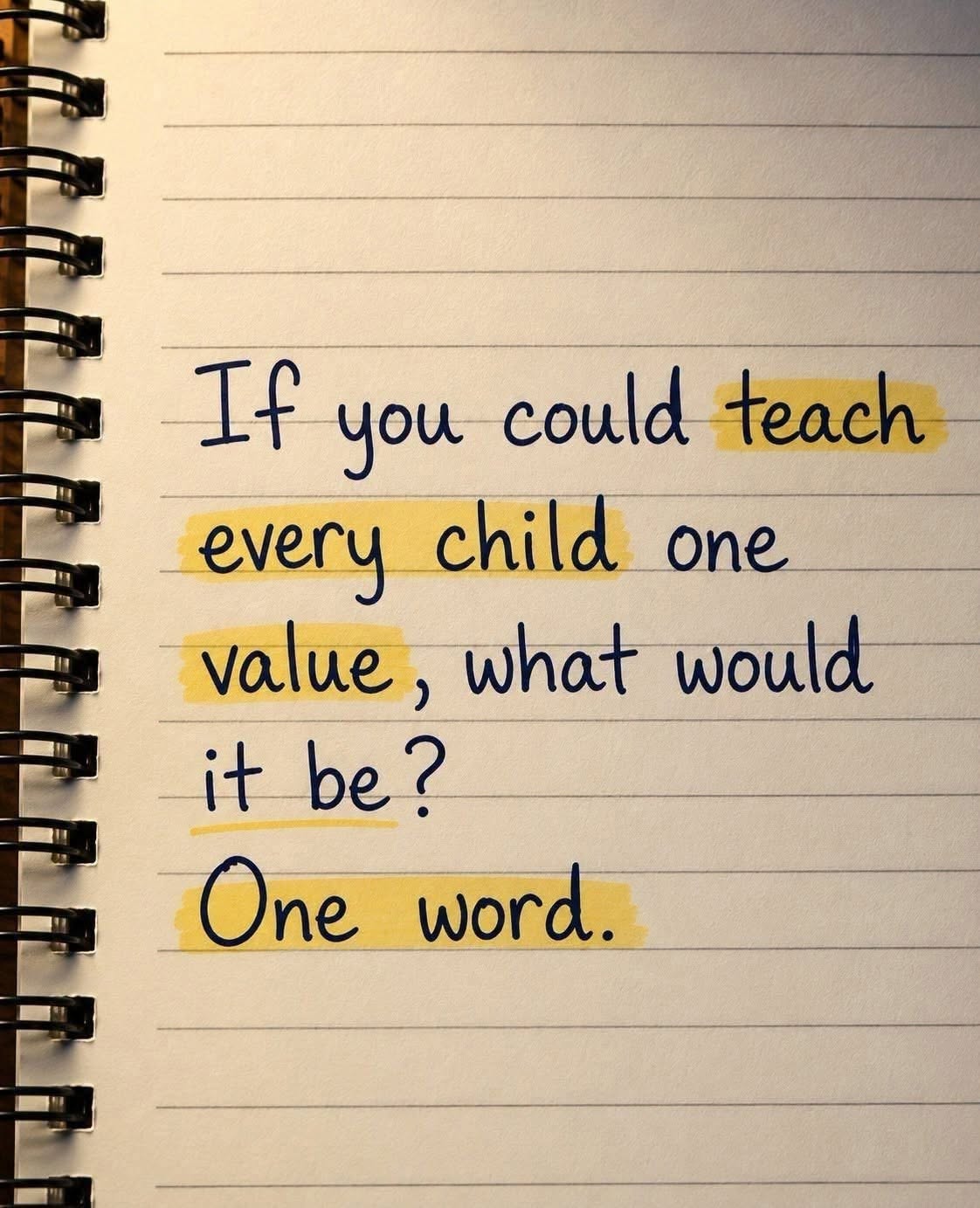
How Parents Can Raise Kind Kids: Expert Tips for Building Empathy
Every parent hopes their child will grow up to be a kind, caring and respectful person. But kindness is not simply something children are born with — it can also be encouraged through everyday experiences and relationships.
Experts who study child development and caring behavior say parents can help children learn to understand other people’s feelings and think about how their actions affect others. Harvard’s Making Caring Common program focuses on helping children develop empathy, self-awareness, fairness and a commitment to caring for others.
Start With Everyday Examples
Children often learn by watching the adults around them.
Simple actions such as saying thank you, helping someone who needs support, listening carefully and treating others with respect can give children examples of what kindness looks like in everyday life.
Parents can also talk with children about why these actions matter instead of simply telling them to “be good.”
Help Children Understand Other People’s Feelings
Empathy is an important part of kindness.
Parents can encourage children to think about how another person might feel in a particular situation. For example, after a disagreement between children, a parent might ask questions such as, “How do you think your friend felt?” or “What could you do to help?”
These conversations can help children look beyond their own feelings and consider another person’s point of view.
Praise Caring Behavior
When children show kindness, parents can recognize the behavior and explain why it was helpful.
Instead of focusing only on whether a child behaved well, parents can point out the specific action they noticed — such as sharing, helping, comforting someone or including another child in an activity.
This helps children understand that caring for others is an important part of being a good member of a family and community.
Teach More Than Just Being “Nice”
Kindness also involves learning how to deal with difficult emotions and situations.
Children will sometimes become angry, frustrated or disappointed. Parents can help them learn how to handle those feelings while still treating other people with respect.
Harvard’s Making Caring Common initiative describes its work as helping children develop the skills and attitudes needed to care about others and the common good.
Small Lessons Can Matter Over Time
There is no single parenting technique that guarantees how a child will behave as an adult. However, repeated experiences can give children opportunities to practice empathy, responsibility and caring.
Everyday moments — from helping a family member to talking about someone’s feelings — can become opportunities for children to learn.
The goal is not to expect children to be perfect. Instead, parents can guide them, model caring behavior and give them chances to understand how their actions affect other people.
The Bigger Lesson for Parents
Raising a kind child is a long process. It involves patience, good examples and many small conversations over the years.
By encouraging empathy, recognizing caring actions and showing respect in their own behavior, parents can give children valuable tools for building healthy relationships and becoming thoughtful members of their communities.