She lit up the entertainment world in the 1980s with a singular talent that helped redefine what Hollywood leading ladies could be — bold, quirky, complex, and wholly human.
Geena Davis rose from small‑town New England roots to become a multi‑award‑winning actor, an influential advocate for gender equality in media, and a voice for women both onscreen and off.
Yet behind the glamour of her Hollywood career lay formative experiences that shaped her personality, world view, and creative choices. Geena Davis was born Virginia Elizabeth Davis on January 21, 1956, in Wareham, Massachusetts, a coastal town where life was modest, practical, and grounded in hard work and humility.
Her parents, Bill and Lucille Davis, were old‑fashioned New Englanders — rooted in self‑sufficiency and polite reserve — a culture that deeply influenced her early years and, later, the themes she would explore in her memoir.
A Childhood Marked by Politeness and Uneasy Moments
Growing up in Wareham, Davis described her upbringing as sheltered and polite to a fault. “We were very underexposed to everything,” she once reflected, recalling long New England winters heated with wood her father chopped and dinners where simple manners were paramount.
In her 2022 memoir Dying of Politeness, Davis recounts how her desire not to make waves — honed from childhood — occasionally bordered on danger. One striking memory involves a drive home from dinner when Davis, at age eight, rode with her 99‑year‑old great‑uncle Jack, who repeatedly veered toward oncoming traffic.
Instead of speaking up, the family merely shifted her in her seat, hoping the position would offer a marginally safer outcome. “I may be one of the few people who can honestly say they very nearly died of politeness,” she writes.
This sense of obligation to remain agreeable and quiet became a recurring theme in her memoir, linking her earliest years of restraint to patterns she would later navigate — and ultimately challenge — in Hollywood and life.
Her family also emphasized decorum and propriety, teaching her to prioritize politeness even when it conflicted with honesty or assertiveness.
As Davis has said, the lesson she carried forward was this: “You can’t ever complain about anything — you can’t draw that kind of attention to yourself.”
These formative years were not without complexity. In interviews she has acknowledged other early challenges and moments that confused and shaped her understanding of boundaries and self‑worth, insights that informed her writing and advocacy in adulthood.
Standing Out in School: Height, Identity, and Self‑Image
Another aspect of Davis’s youth that shaped her identity was her physical stature. She was unusually tall for her age — a trait that, rather than making her feel special, contributed to self‑consciousness and social awkwardness during adolescence. Afterwards, she often felt out of place in a world that prized conformity to predictable norms.
“It was hopeless if you were taller than everybody else,” she told The View, recalling how classmates gave her unkind nicknames, a painful reminder that simply existing outside expectations could make someone a target.
Despite the teasing, Davis found outlets that grounded her — music through the flute in the marching band, track and field events like high jump and hurdles, and even a formative semester studying abroad in Sweden, where she became fluent in the language.
These experiences helped her navigate an early life that swung between feeling different and finding her own strengths.
From Modeling to Hollywood: A Bold Leap
After graduating from high school, Davis enrolled in New England College before transferring to Boston University’s College of Fine Arts, where she studied drama and graduated in 1979.
Following her graduation, she moved to New York City, where she took jobs as a waitress, window mannequin, and sales clerk while pursuing modeling.
Her height, graceful presence, and expressive features helped her sign with the Zoli modeling agency, a turning point that opened the door to her first film role.
Her screen debut came in Sydney Pollack’s Tootsie (1982), a commercially successful and critically acclaimed comedy in which she played a small role. The exposure proved vital, leading to television work and eventually film auditions that would launch her cinematic breakthrough.
Breakthrough and Hollywood Stardom
Throughout the 1980s, Davis steadily built her reputation as a versatile performer. Early roles included:
Television’s Buffalo Bill (1983–84), where she gained visibility.
Guest appearances in popular shows like Knight Rider and Family Ties.
Lead roles in films such as The Fly (1986), a sci‑fi horror remake co‑starring Jeff Goldblum, which earned her acclaim and visibility.
Davis’s breakthrough on the big screen arrived in the late 1980s with Tim Burton’s Beetlejuice (1988), a surreal fantasy comedy that became a cultural phenomenon.
That same year, she delivered the performance that would win her Hollywood’s highest honor: Best Supporting Actress at the Academy Awards for her role as Muriel Pritchett in The Accidental Tourist (1988), a character marked by quirky charm and emotional depth.
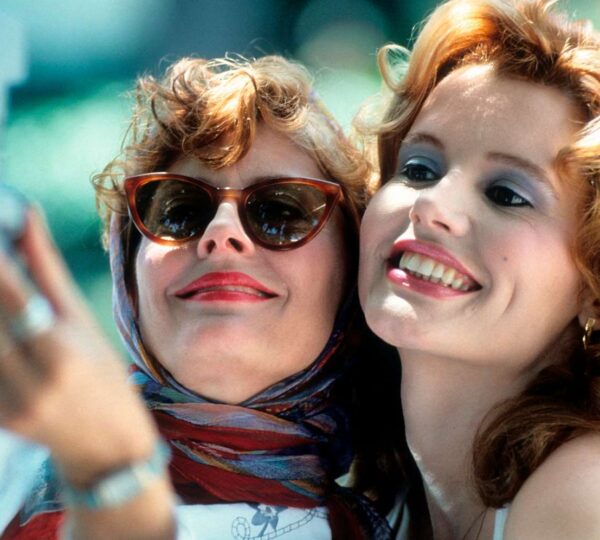
Just a few years later, she would deliver one of her most defining performances as Thelma Dickinson in Ridley Scott’s Thelma & Louise (1991).
The film’s feminist themes, road‑movie energy, and its portrayal of women asserting control over their lives made it an era‑defining classic, and Davis’s chemistry with co‑star Susan Sarandon elevated both careers.
She also starred in the beloved sports comedy A League of Their Own (1992) as Dottie Hinson, a role that cemented her place in 1990s Hollywood and earned her critical praise for its blend of strength, humor, and vulnerability.
Redefining Female Roles and Hollywood Expectations
Throughout her career, Davis consistently gravitated toward roles that challenged traditional female stereotypes.
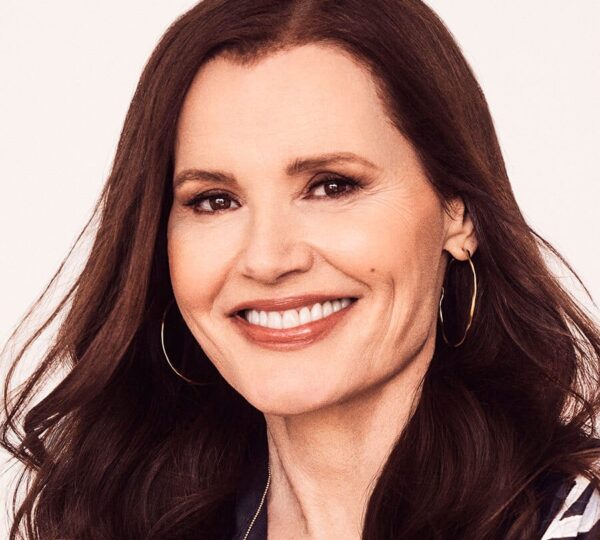
Rather than playing passive or decorative characters, she often embodied women with agency, complexity, and inner strength — a choice she later credited to her own desire for characters who shaped their own narratives.
Her onscreen work spanned genres, from comedy and horror to drama and action, showcasing her range and commitment to storytelling on her own terms.
Despite this early momentum, Davis has spoken candidly about the impact of ageism in Hollywood — particularly how roles declined as she entered her 40s, a common experience for many women in the industry. In interviews, she described this phase of her career as falling “off a cliff,” even though she continued to work in television and film.
Life Off the Screen: Advocacy, Scholarship, and Legacy
Beyond her acting achievements, Davis has made significant contributions as an activist and advocate for gender equality in media.
In 2004, she founded the Geena Davis Institute on Gender in Media, an organization dedicated to increasing the representation of female characters and challenging damaging stereotypes in film and television.
The institute has partnered with academic institutions and international organizations, including the United Nations, to conduct research showing gender disparities in children’s media and other entertainment sectors — work that has helped shift industry conversations and practices regarding representation.
Davis has also served as UN special envoy for women and girls in information and communications technology, further extending her influence into global advocacy on behalf of women in media and technology.
Personal Life and Motherhood
Davis’s personal life has included multiple marriages and joyful family milestones. She was married four times:
Richard Emmolo (1981–84)
Jeff Goldblum (1987–90), whom she met on the set of Transylvania 6‑5000.
Renny Harlin (1993–98)
Reza Jarrahy (2001–18) — with whom she welcomed her children: daughter Alizeh (born 2002) and twin sons Kaiis and Kian (born 2004).
Becoming a mother later in life brought its own challenges and rewards. While Davis has not publicly detailed whether she used IVF or other fertility treatments, welcoming children in her mid‑40s was a transformative experience that reshaped her priorities and life outlook.
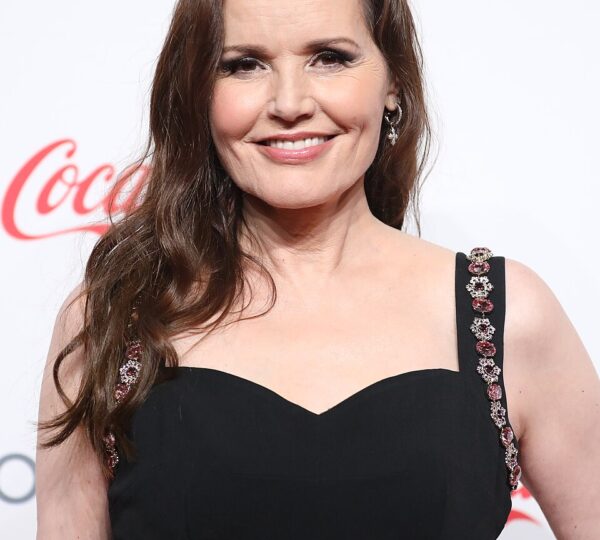
She has been candid about protecting her children from the pressures of show business, emphasizing that their well‑being and self‑development come before any expectation of entering the entertainment industry.
A Legacy of Influence and Ongoing Work
Today, in her late 60s, Geena Davis remains active in entertainment and advocacy. She continues to act in projects that reflect her interests and evolving artistry, including indie and genre work that defies ageist norms.
Among her recent announced roles is the Duffer Brothers’ Netflix series The Boroughs, a supernatural mystery that promises to showcase her enduring range.
Her memoir Dying of Politeness invites readers into a deeply personal exploration of identity, performance, and self‑assertion — a narrative that ties together her early years, Hollywood journey, and ongoing mission to elevate women’s voices in media.
Conclusion: More Than a Star — A Cultural Force
Geena Davis’s story is not simply one of celebrity or fame; it is a testament to perseverance, intelligence, and purposeful engagement with the world around her.
From her humble beginnings in Wareham to the red carpets of Hollywood and the halls of global advocacy, Davis has consistently used her visibility and influence to challenge norms and expand opportunities for others.
Her career — rich with memorable roles, social impact work, and personal reflections — reminds us that even the most recognizable talent can be grounded in authenticity, courage, and an unwavering commitment to doing meaningful work both on and off the screen.