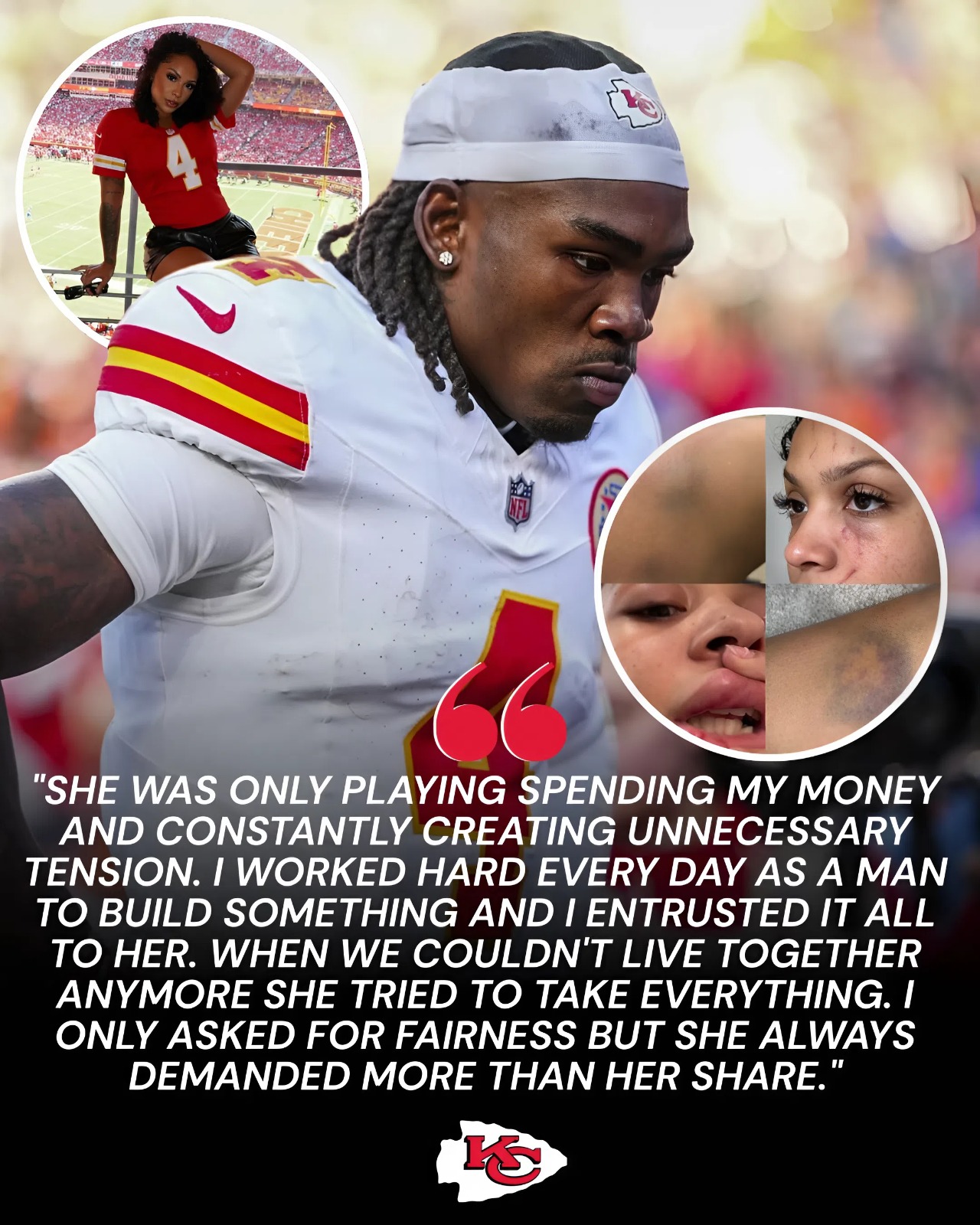
The NFL has faced many controversies over the years, but few ignite public emotion as intensely as allegations of domestic violence involving a high-profile player.
That intensity surged again after Rashee Rice publicly pushed back against accusations made by his former girlfriend, Dacoda Nichole, setting off a wave of debate that quickly spread beyond football circles.
Rice’s response was blunt and unapologetic, framing the situation as a toxic personal relationship rather than a criminal act.

The reaction online was immediate and divided. Some fans rushed to Rice’s defense, arguing that false or exaggerated claims can destroy careers before facts are fully established.
Others were deeply uncomfortable with how quickly the conversation turned toward character judgments, warning that dismissive language toward an accuser risks minimizing the seriousness of domestic violence allegations.
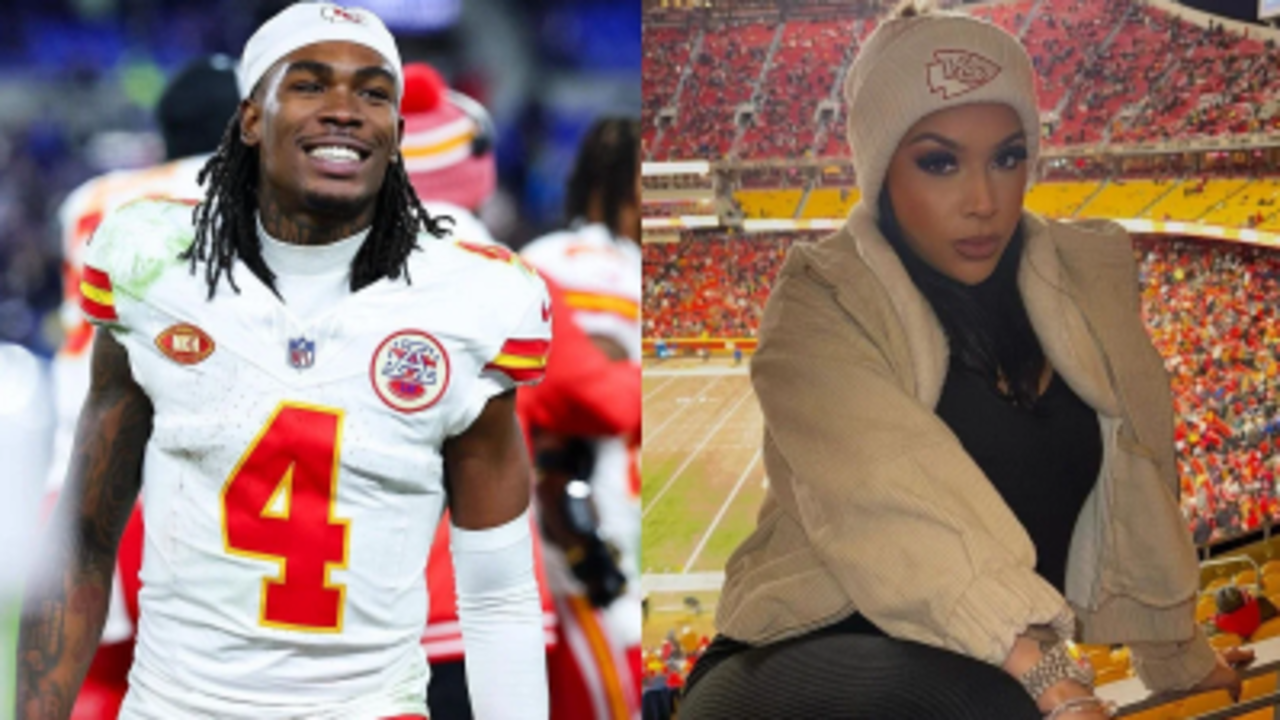
What makes this case particularly volatile is the broader cultural climate surrounding professional sports and accountability. The NFL has spent years trying to convince the public that it takes personal conduct seriously, especially after past failures that damaged its credibility.
Every new allegation is now viewed through that lens, with fans and critics alike asking whether lessons were truly learned.
Rice’s comments have also reignited debate about the role of public statements during ongoing legal or investigative processes.
Supporters argue that athletes have the right to defend themselves in the court of public opinion, especially when silence is often interpreted as guilt. Critics counter that public rebuttals can pressure or intimidate accusers, intentionally or not, and complicate the pursuit of truth.

Social media has amplified every detail of the story, often stripping nuance in favor of outrage or loyalty. Short clips, screenshots, and selectively quoted statements circulate faster than verified information, creating parallel realities where perception becomes more powerful than evidence. In that environment, Rice’s words were never going to land quietly.
There is also a financial dimension that fans cannot ignore. Star players represent massive investments for teams, sponsors, and the league itself.
When allegations surface, those investments feel threatened, and public reactions often reflect fear of loss as much as concern for justice. That dynamic fuels suspicion that money and reputation may influence how cases are discussed or handled.
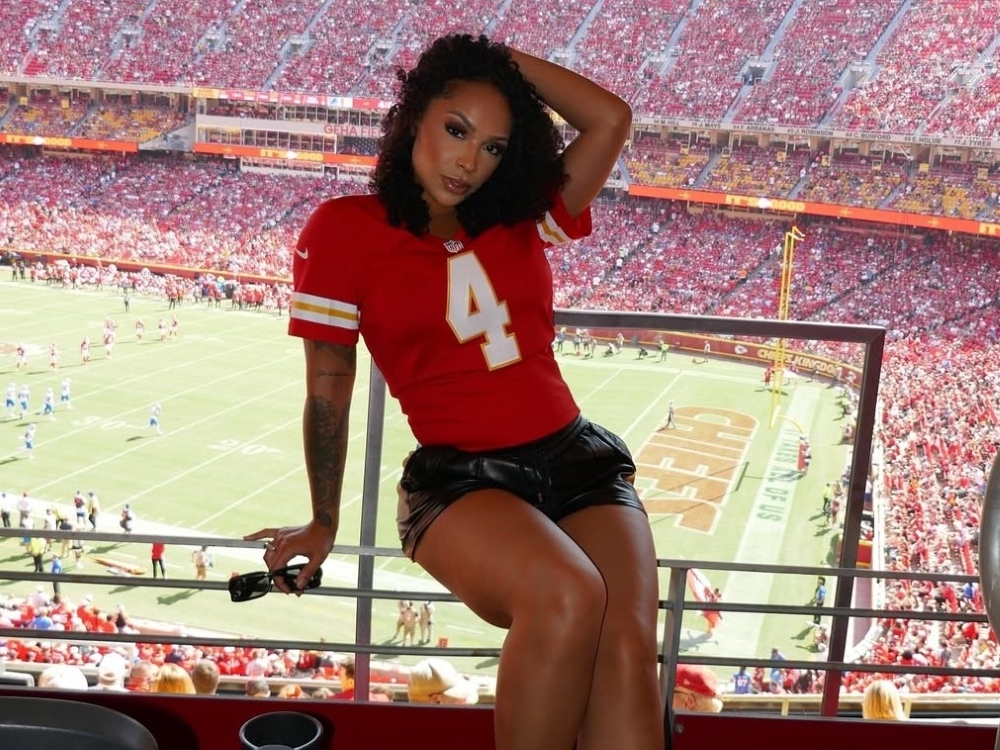
At the same time, domestic violence advocates have voiced concern over how quickly narratives shift toward discrediting accusers.
They argue that phrases like “she’s just playing games” echo a long history of dismissing victims, making it harder for others to come forward. For them, this case is not just about one player, but about the message sent to countless unseen individuals.
Fans who support Rice often point to the lack of a completed legal process, emphasizing that allegations are not convictions.
They stress the importance of due process and caution against career-ending judgments based solely on accusations. In their view, the rush to condemn reflects a dangerous trend where public opinion replaces investigation.
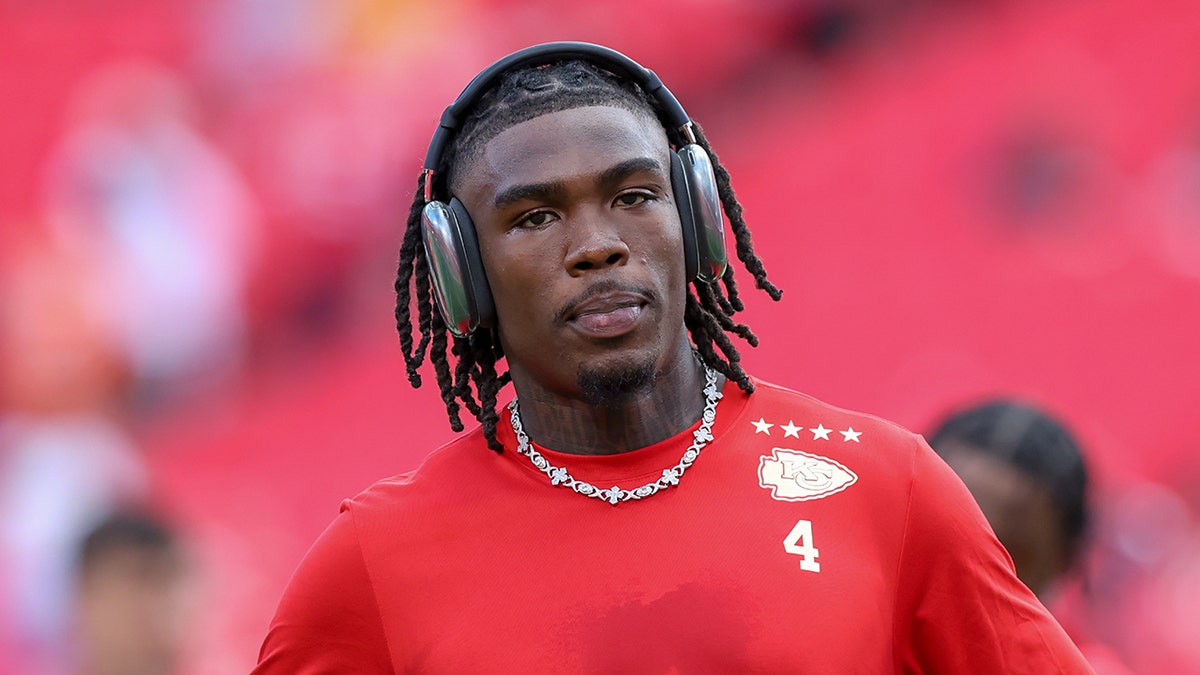
Neutral observers find themselves caught between these extremes, recognizing both the necessity of taking allegations seriously and the risk of irreversible damage if claims are later disproven. That tension keeps the conversation alive, unresolved, and emotionally charged.
The league’s silence so far has only intensified speculation. Every hour without an official statement invites new theories about internal discussions, potential discipline, or strategic delay. For a league that once faced backlash for acting too slowly, hesitation now feels like a calculated risk.
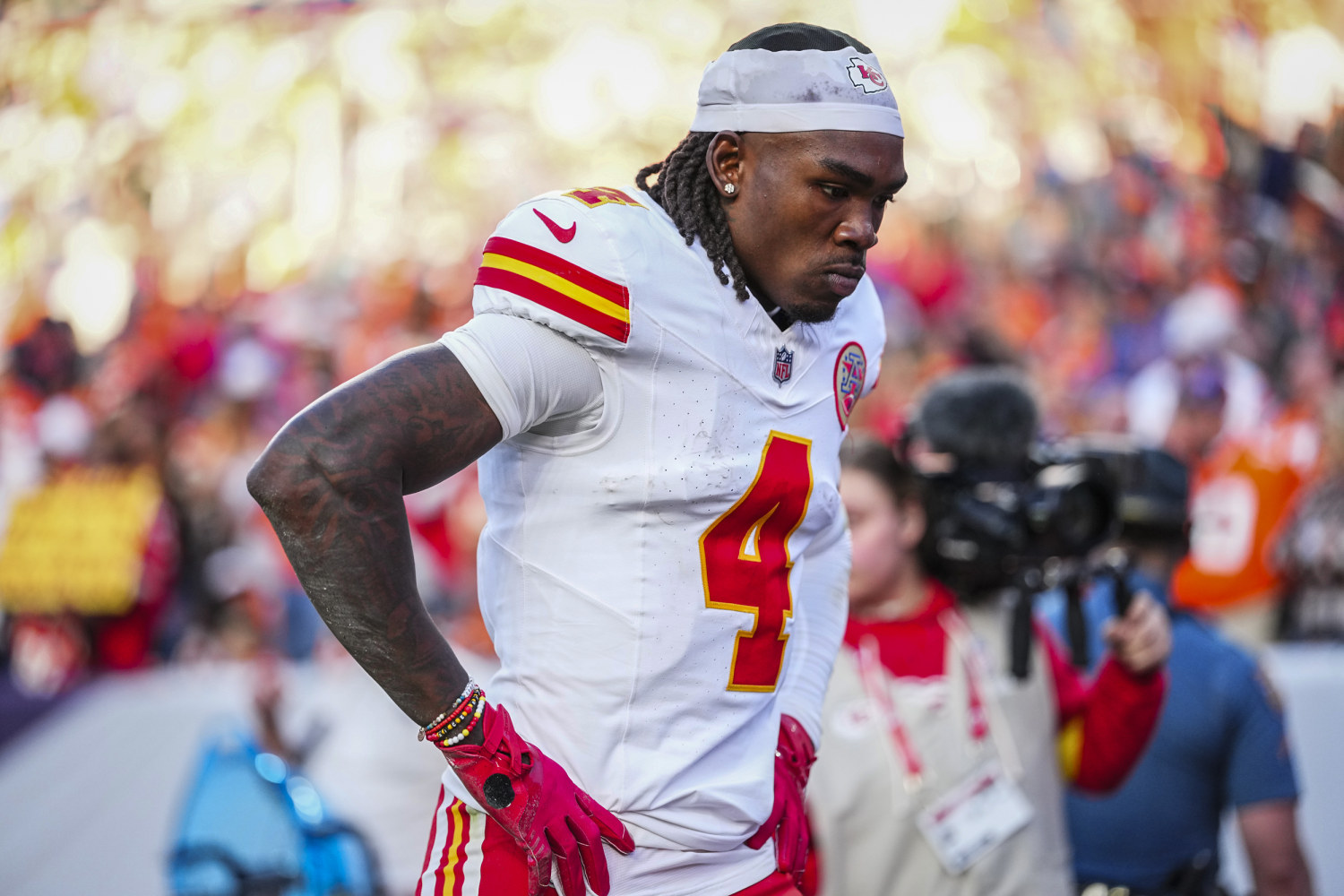
This situation also highlights how modern athletes navigate crisis differently than in previous eras. Social media gives them direct access to millions, allowing them to shape narratives instantly. That power can humanize them, but it can also escalate conflicts that might otherwise remain private.
For Rice, the stakes are enormous. Beyond potential legal consequences, his public image, endorsements, and locker-room standing all hang in the balance. Even if no formal punishment follows, the shadow of controversy can linger far longer than a suspension.
For fans, the case forces uncomfortable self-reflection. Many must confront whether their loyalty to a team or player influences how they interpret serious allegations. The question is no longer just “what happened,” but “why do I believe what I believe.”
As discussions continue, one truth becomes clear: this story is no longer just about two individuals and a failed relationship. It has become a flashpoint for broader issues of power, credibility, accountability, and the responsibility of public figures.
Whether new evidence emerges or the case fades from headlines, its impact will remain. The conversation it sparked has already revealed how fragile trust is between leagues, players, and fans when personal conduct collides with public admiration.
In the end, Rashee Rice’s decision to speak out has ensured that this case will be argued, dissected, and remembered. It challenges the NFL, the media, and the public to confront difficult questions without easy answers, reminding everyone that behind every viral headline lies a reality far more complex than a single quote.