In a crowded retail environment, consumers are often asked to decide quickly, guided less by careful comparison than by what their eyes register first. Packaging, shape, and shelf presence quietly steer choices, especially when time and attention are limited. Small design decisions—barely noticed in isolation—can meaningfully affect how value is perceived. A recent legal dispute in the spice aisle illustrates how those subtleties can become consequential.
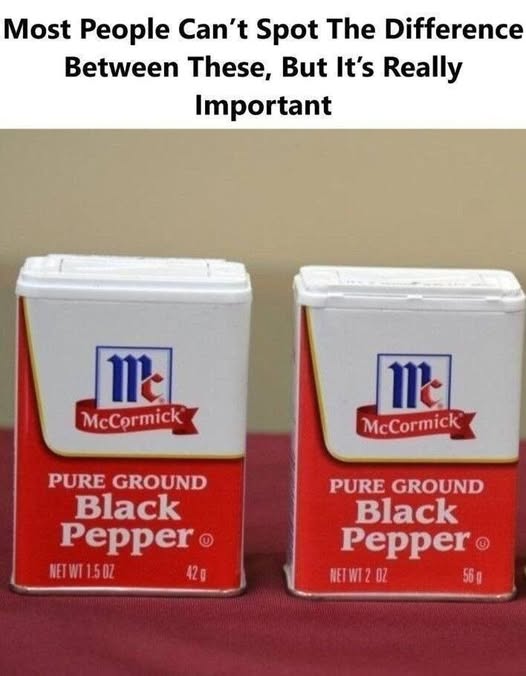
The case centers on McCormick & Company and a smaller competitor, Watkins Incorporated. Watkins alleges that McCormick reduced the amount of pepper in one of its popular containers—from roughly eight ounces to closer to six—while keeping the exterior packaging largely unchanged. The result, Watkins argues, is a visual continuity that may suggest to shoppers they are purchasing the same quantity as before.
A key point of contention is visibility. Watkins sells pepper in clear containers, allowing customers to see the contents directly. McCormick’s containers, by contrast, are opaque. Although both brands now offer similar quantities, McCormick’s packaging appears larger and more substantial on the shelf. Watkins contends that this difference in presentation creates a misleading impression, one that advantages shelf presence over transparency.
For consumers, the issue is not only financial but perceptual. Many shoppers intuitively associate larger containers with better value, especially in routine purchases where habits replace scrutiny. When products are placed side by side, visual cues can outweigh label details, quietly shaping decisions without deliberate intent.
McCormick maintains that its packaging complies with labeling requirements and that net weight is clearly disclosed. Critics counter that companies understand how consumers actually shop—often quickly, often visually—and that design choices are rarely neutral. Several class-action lawsuits have echoed this concern, arguing that the change crossed from efficiency into deception.
Beyond legal arguments, the dispute points to a broader issue of trust. Brands are sustained not only by compliance, but by the confidence customers place in them over time. Even lawful changes can erode credibility if shoppers feel misled rather than informed.
The McCormick–Watkins case is ultimately less about pepper than about perception. It raises a quiet but important question for modern commerce: whether transparency should be measured solely by what is printed, or also by what is implied. In markets built on long-term relationships, that distinction can matter as much as the product itself.