
Cruise Ship Employee Explains The Secret Code Word Used When Someone Dies At Sea
Taking a cruise is supposed to be a peaceful escape—filled with rest, food, and scenic views—but even in the middle of paradise, health issues can arise unexpectedly. Illnesses and accidents don’t take a break just because you’re on vacation.
Sadly, it’s not uncommon for people to pass away during a voyage, and when that happens, cruise lines follow a specific and respectful process to manage the situation quietly and professionally.
Amber Olivia, who works as an onboard presenter, explained the process in a TikTok video that has since gone viral. In it, she described how the crew uses special code words to handle sensitive incidents discreetly while continuing normal operations on the ship.
According to Olivia, there are several codes guests might hear over the ship’s intercom during their stay, including “Code Victoria,” “Code X-Ray,” and “Assessment Team.” Each serves a different purpose, but one of them carries far heavier meaning than the rest.
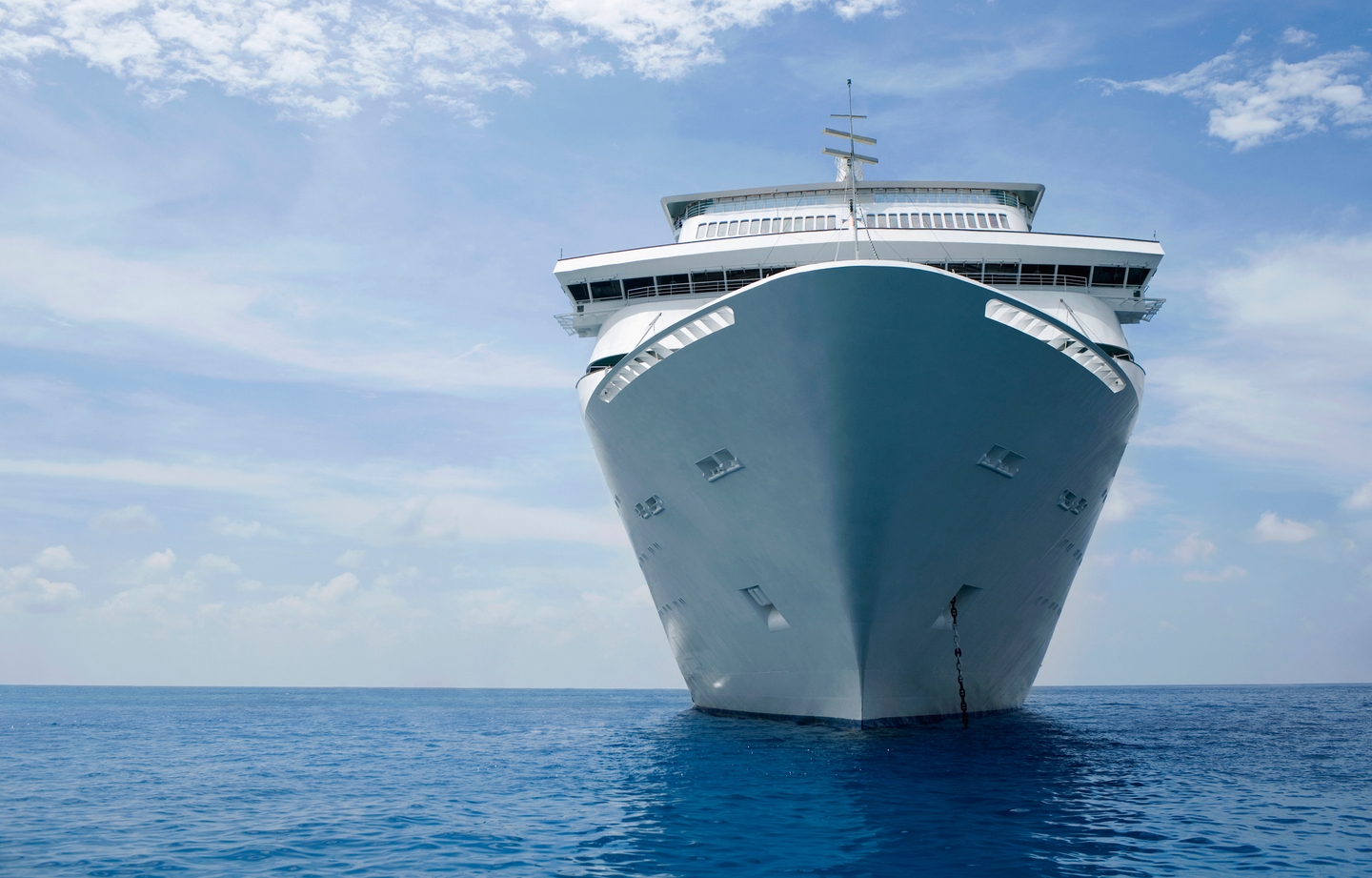
Speaking with the Daily Mail, Olivia said that “Code Alpha” is the ship’s universal term for a medical emergency. This could range from someone fainting or having a heart attack to, in the worst case, someone losing their life.
When the announcement goes out, staff know to respond immediately, and specific teams are activated to manage the scene and assist medical personnel as quickly as possible.
She explained: “It’s really sad that people do pass away on ships, because things happen.”
Olivia added: “You would usually hear a code alpha, maybe, like a family member’s called, they found out.” The calm use of this code helps staff act swiftly while allowing the rest of the ship’s operations to continue smoothly.
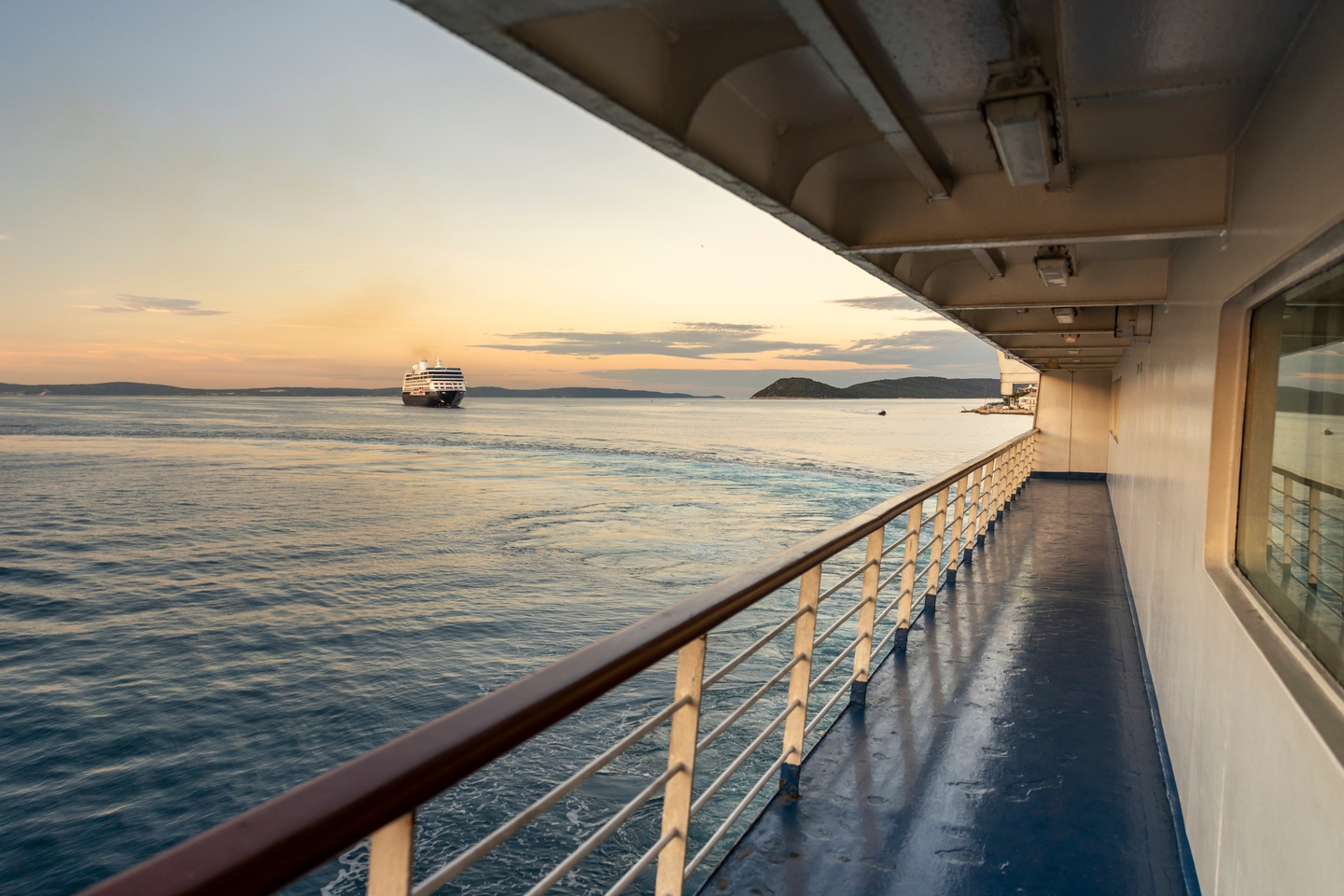
After the medical team confirms the situation, the person is respectfully taken to the ship’s medical center. If they have passed away, Olivia explained that every vessel is equipped with a small morgue, usually located near or behind the medical area, to preserve the body until the next port of call.
She went on to explain: “What will happen is they’ll go into the morgue and family will be spoken to, contacted, and then it all just depends from there what the family want to do.” The process remains sensitive and private, and the family’s wishes determine the next steps.
She shared that although it’s an unfortunate part of the job, there’s a “correct procedure” that ensures the process is done with care. Beyond medical codes, Olivia also discussed others that passengers might hear. For example, “Victoria” indicates a flooding issue—though, as she clarified, it usually refers to something minor like a burst pipe, not a disaster at sea.
Her explanation shed light on how cruise staff balance safety, privacy, and professionalism while maintaining the calm atmosphere passengers expect on their voyage.
According to Dr. Dara Starr Tucker, this is not just a rumor. She explained that when the ship’s freezer capacity becomes limited, the kitchen may hand out more ice cream to make room. “OK, this is unfortunately often true. If the crew suddenly makes a bunch of ice cream available to the passengers, free ice cream party, it’s often because more people have died on the ship than they have room for in the morgue.”
“Thankfully we didn’t have to deal with this kind of stuff but we were friends with some crew members who did. And they said maybe four to 10 people die every cruise. There are a lot of older people on ships and often people die on cruises.” Her account highlights that while such incidents aren’t constant, they are far from unheard of, especially given the large number of elderly passengers on most cruise ships. It’s a reality of life at sea—one that staff must be prepared for, even as the rest of the ship carries on as normal.