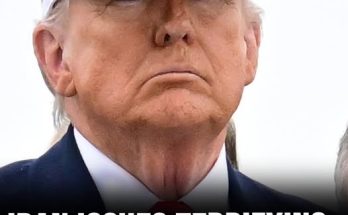
President Donald Trump has granted a full pardon to former Army First Lieutenant Mark Bashaw, who was previously convicted for defying military COVID-19 rules.
Bashaw refused to follow orders that required mask-wearing, regular testing, and remote work during the pandemic.
Though he was found guilty in a 2022 court-martial, he received no punishment but was later discharged in 2023.
His case became symbolic among critics of vaccine mandates and pandemic-related military policies. 
Following the pardon, Bashaw thanked Trump and spoke out against what he described as medical coercion and government overreach.
This move reflects Trump’s broader effort to support service members penalized for refusing the COVID-19 vaccine.
Earlier this year, he signed an executive order to reinstate those discharged under such circumstances, with full benefits restored.
Bashaw’s pardon is the first of its kind in this new push, and it has stirred both praise and criticism.
Supporters view it as a stand for freedom and individual rights within the military structure.
Critics, however, worry it sets a precedent that undermines chain of command and health regulations. 
The pardon comes at a time when Trump continues to double down on policies that challenge the legacy of pandemic-era mandates.
As debates over vaccines and personal choice continue, this action reignites tensions between public health priorities and personal liberties.
For many, it’s more than just a pardon—it’s a political message with lasting implications.
Bashaw now moves forward with a clean record and renewed support from those who backed his stance.
Related Posts