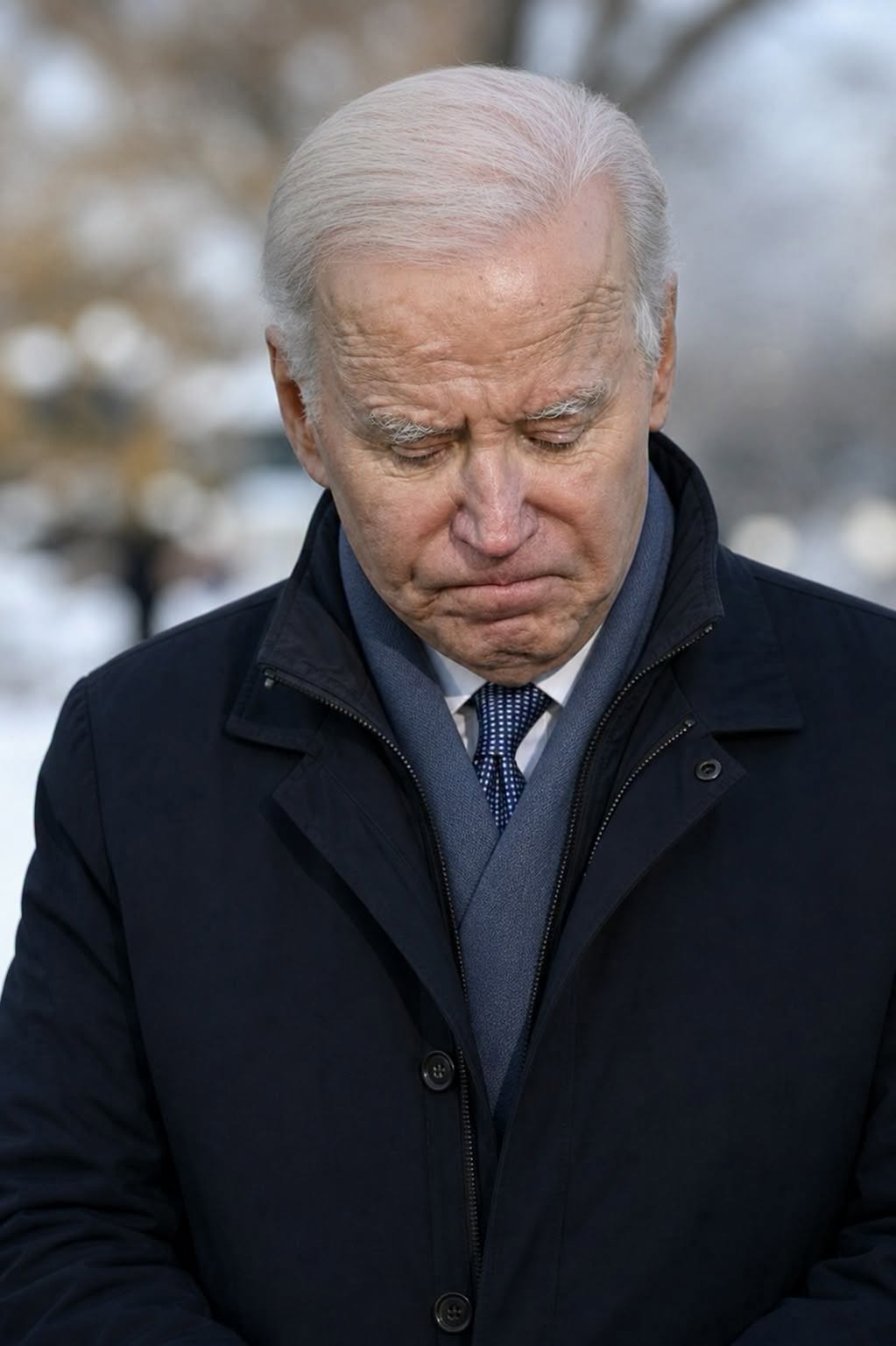
What was missing was not emotion, but evidence. The viral posts leaned on urgency and repetition, not verifiable details. No official statement, no on-the-record confirmation from doctors, family, or major news outlets—only screenshots, recycled captions, and anonymous “sources” that dissolved under scrutiny. In that vacuum, people filled the gaps with their worst fears, and the rumor began to feel real simply because it was everywhere.
This episode is less about one politician and more about how we react when health, power, and anxiety collide online. Medical events involving public figures are often complex and initially unclear, yet the loudest voices are usually the least informed. The responsible choice is not to suppress concern, but to pause: Who is saying this? What do they actually know? Until credible, named sources emerge, the most humane response—for the subject and for ourselves—is restraint.