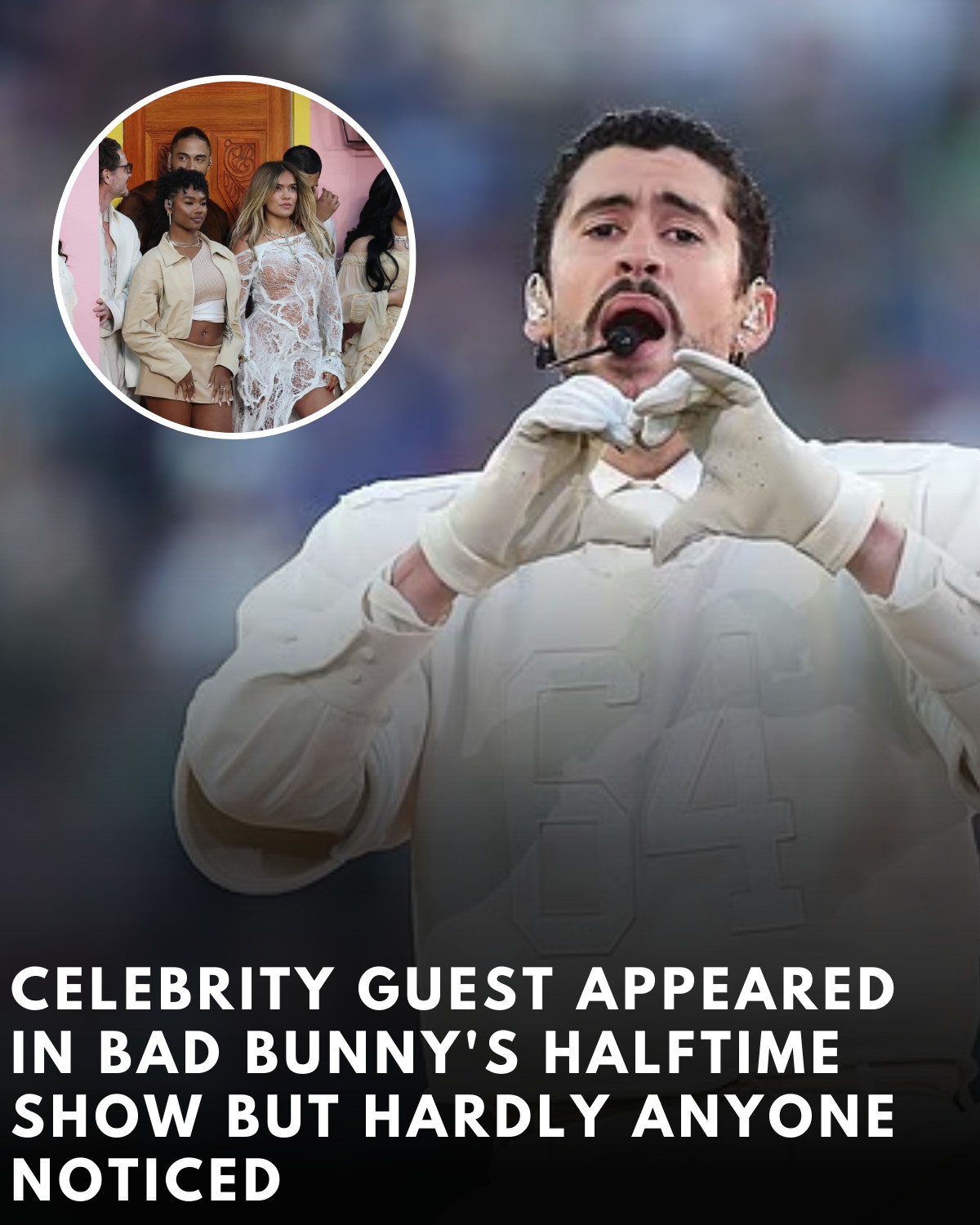
Bad Bunny’s Super Bowl LX halftime show in Santa Clara drew widespread attention on Sunday night for its celebrity cameos, high-energy staging and a series of visual messages about unity, after some viewers spotted actor Pedro Pascal briefly dancing among the on-stage crowd in a moment that many said they almost missed.
Pascal was shown on the broadcast for only a short time during the performance, appearing in the background while Bad Bunny moved through a set packed with dancers and celebrity guests. He was seen partying alongside Cardi B and Karol G, smiling and dancing as the camera swept across the stage during the show’s mid-performance sequences. Some viewers said online that they had only noticed him on a second viewing, while others shared screenshots of the moment as the halftime show continued at pace.
The cameo formed part of a halftime production that leaned heavily into a celebratory, star-studded presentation of Latin music and culture, with Bad Bunny delivering a medley of songs over a set styled as a Puerto Rican home and neighbourhood scene. Broadcast coverage and post-show roundups identified multiple familiar faces appearing on stage or in the performance space, with Pascal among those seen during a segment that also included Cardi B and Karol G in close proximity to the main action.
While Pascal’s appearance was fleeting, the headline guest moments were more overt. Lady Gaga and Ricky Martin both joined Bad Bunny during the show, appearing as featured performers during the halftime set. Coverage of the performance described Gaga joining for “Die With a Smile,” while Martin appeared for “Lo Que Le Pasó a Hawaii,” giving the halftime show two major musical cameos that were central to the staging rather than background glimpses.
The performance itself unfolded as a tightly paced concert-style production, with Bad Bunny moving through a run of hits and newer material over roughly the length typical of a Super Bowl halftime set. Entertainment coverage of the song list reported a sequence that included “Tití Me Preguntó,” “Yo Perreo Sola,” “Safaera,” and “Voy a Llevarte Pa’ PR,” among others, with additional nods to Puerto Rican music woven into the arrangement. The broadcast and subsequent coverage described a show built around rapid transitions, dense choreography and quick-cut camera work that left little time lingering on any one person in the crowd, which helped explain why some viewers said they missed Pascal’s cameo at first.
Beyond the celebrity spotting, the halftime show also generated discussion for its political and thematic messaging. During the performance, Bad Bunny held up a football with a message that read: “Together we are America.” Separately, a large-screen message was also displayed stating: “the only thing more powerful than hate is love,” a line that appeared as the show’s visuals leaned into themes of togetherness and solidarity.
Bad Bunny had framed the halftime appearance beforehand as an upbeat, dance-forward spectacle. “I know that the world is gonna be happy this Sunday, and they’re gonna have fun, and they’re gonna dance and they’re gonna have a good time,” he said, according to reporting on his pre-show comments. The performance largely followed that promise, with coverage describing a party atmosphere driven by choreography and frequent shifts between dancers, musicians and guest performers.
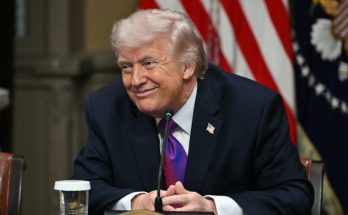
The show’s prominence, and Bad Bunny’s longstanding political commentary, also ensured that the halftime booking continued to attract political reaction. US President Donald Trump, who has previously criticised the choice of performer, was quoted reacting to Bad Bunny’s selection during an appearance on Newsmax’s Greg Kelly Reports. “I’ve never heard of him,” Trump said. “I don’t know who he is… I don’t know why they’re doing it. It’s crazy. And then they blame it on some promoter they hired to pick up entertainment, I think it’s absolutely ridiculous.”
The political context around Bad Bunny has been a feature of coverage in recent months, particularly given his past criticism of Trump-era policies and his advocacy on issues affecting Puerto Rico and immigration. Reporting around the halftime show has also pointed to the way his public statements have resonated beyond music, including moments in award-season coverage and broader discussion of how artists use major stages to make cultural or political points.
For many viewers, however, immediate conversation after the halftime show centred less on politics and more on the density of cameos and the speed with which they appeared. Roundups of “Easter eggs” and celebrity moments catalogued appearances that ranged from featured singers to quick background sightings, with Pascal’s cameo treated as a blink-and-you-miss-it detail compared with the more obvious entrances by Gaga and Martin.

The halftime show’s staging style contributed to that effect. Coverage described a set designed to look like a lived-in scene, with performers moving through rooms and performance zones, and with the camera frequently cutting between Bad Bunny, dancers and crowd-like groupings where celebrities could blend into the action. In that context, Pascal’s brief time on camera read less like a traditional “special guest” moment and more like a deliberate piece of atmosphere, designed to feel like an on-stage party rather than a sequence of individually highlighted cameos.
Pascal’s appearance comes at a time when the actor has remained a prominent figure in film and television, and his presence in the halftime show added a Hollywood note to a performance that otherwise centred Latin music stars and pop icons. The footage of him dancing, alongside Cardi B and Karol G, quickly circulated in entertainment coverage, reinforcing how the halftime show has become not only a music event but also a high-visibility stage for surprise appearances that can dominate conversation long after the game resumes.