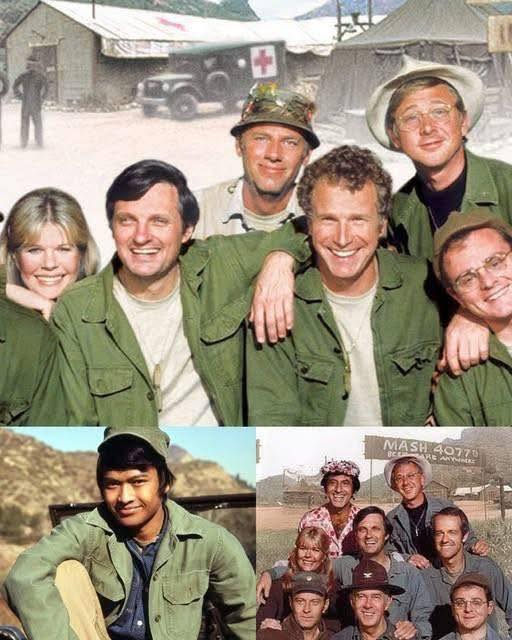
He began as a child marked by war, carrying histories that no script ever fully held. America wanted his talent without his truth, his body without his story. Still, he carved out presence in the narrow spaces he was offered, moving with a precision that made even the smallest roles feel undeniable. For countless viewers, he became an uncredited permission slip: proof that someone like them could exist inside the frame, even if the credits forgot to say his name.
When the work in front of the camera thinned, he chose not bitterness but craft. He turned toward studios and rehearsal halls, teaching movement as a language of ownership. In those rooms, stripped of glamour, he practiced a quieter kind of revolution—showing others how to inhabit themselves fully. Patrick Adiarte’s name may fade, but the courage he modeled keeps stepping into the light.