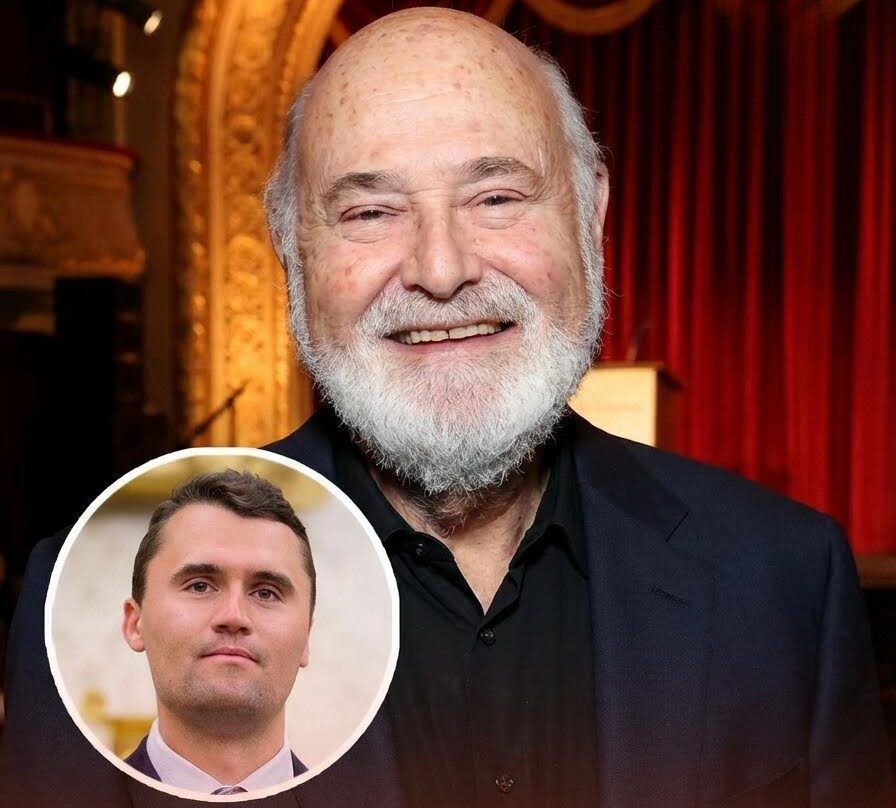
The death of acclaimed filmmaker Rob Reiner and his wife, Michele Singer Reiner, has sent shockwaves through Hollywood and beyond, prompting an outpouring of grief, tributes, and reflection. Found at their Los Angeles home over the weekend, the couple’s passing marked the sudden end of a partnership that spanned decades of creative work, advocacy, and public life. As the investigation unfolded and legal proceedings involving their son began, attention also turned to how public figures responded to the loss — responses that revealed striking contrasts in tone, empathy, and restraint at a moment of national attention.
Among the reactions drawing scrutiny were comments from Donald Trump, who posted a message on social media that many viewed as sharply critical rather than consoling. His remarks were widely condemned across the political spectrum, including by figures within his own party, who described the tone as inappropriate given the circumstances. Despite the backlash, Trump later reiterated his stance during remarks at the White House, emphasizing his long-standing disagreements with Reiner’s political views. For many observers, the comments stood out not just for their content, but for how they contrasted with the broader public mood of mourning and respect.
That contrast became even more pronounced when broadcasters and commentators revisited a past appearance by Reiner on Piers Morgan Uncensored. In the clip, which resurfaced following his death, Reiner was responding to the killing of political activist Charlie Kirk earlier this year. Speaking calmly and with visible empathy, Reiner described the event as deeply troubling and rejected the idea that violence could ever be justified by political disagreement. He emphasized that regardless of ideology, such acts were unacceptable and should never be seen as a means of resolving conflict. The moment has since been shared widely as an example of principled discourse during a time of polarization.
The renewed attention to those remarks has sparked broader conversations about civility, leadership, and how public figures model behavior during moments of loss. Many commentators noted that Reiner’s words, spoken months earlier, reflected a consistent belief in empathy over escalation — a perspective that now resonates differently in light of his passing. As tributes continue and discussions evolve, the focus for many remains on remembering the Reiners for the lives they lived and the values they expressed, rather than the controversies that followed. In a climate often defined by division, the juxtaposition of these responses has underscored a quiet but powerful reminder: how we speak in moments of grief can reveal as much about our character as any position we hold.