The WNBA’s Officiating Crisis: How Controversial Calls and Rivalries Are Reshaping the League’s Narrative
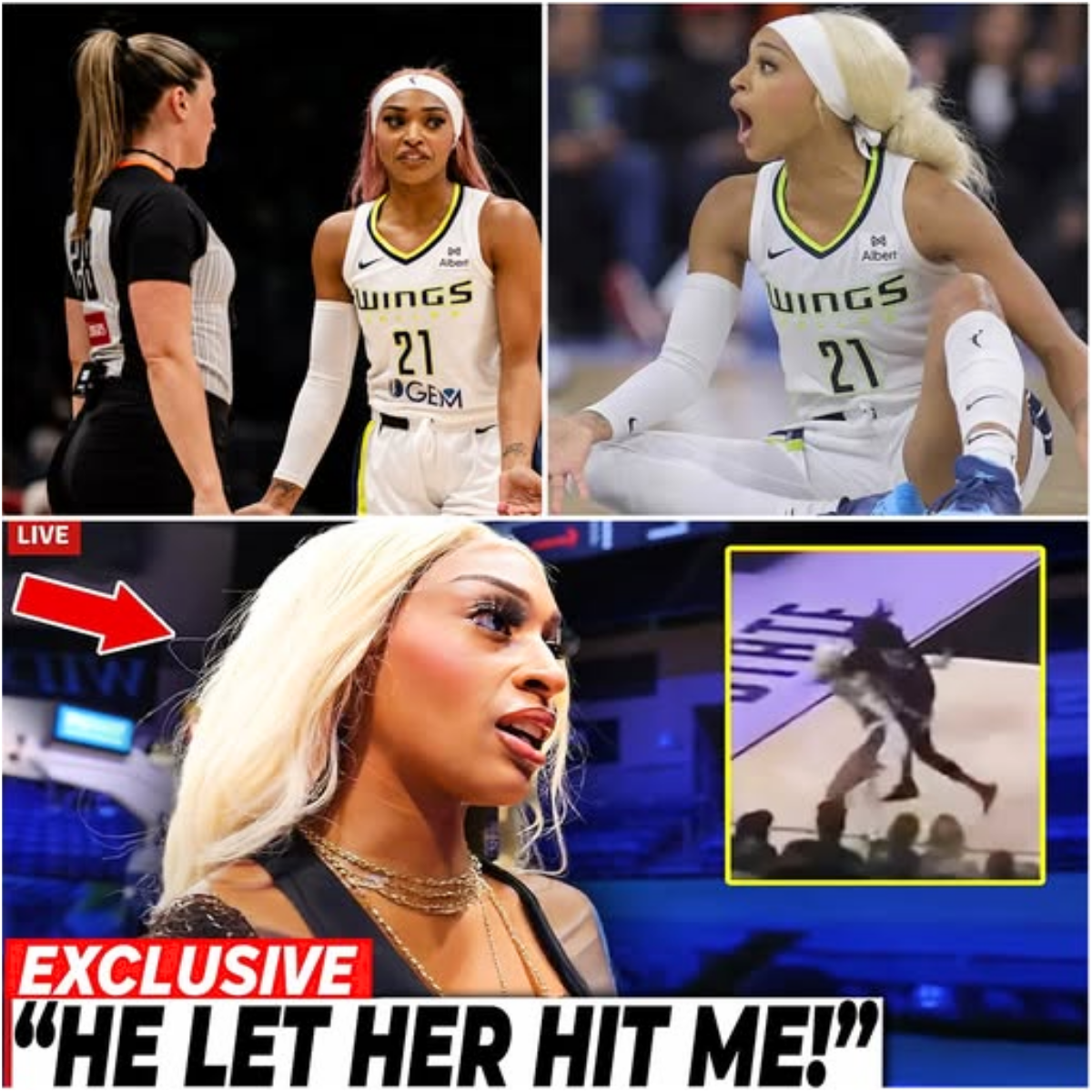
The WNBA is in the midst of an unprecedented surge in popularity, but with the increased spotlight has come an intense scrutiny of every aspect of the game—most notably, its officiating. While a recent sensationalized story about a “worst call in sports history” is a fabrication, it speaks to a very real and growing sentiment among fans: a deep-seated frustration with the league’s referees and the perception that inconsistent calls are undermining the integrity of the game. This crisis of trust, fueled by heated on-court rivalries and a toxic fan culture, has become a defining storyline of the season.
The issue is not the result of a single, egregious error, but a pattern of controversial moments that have created a volatile atmosphere. At the center of this storm are the league’s new superstars, particularly Caitlin Clark and Angel Reese. Their rivalry, which began in college and has only intensified in the pros, has become a flashpoint for fan debates. While the on-court clashes are a natural part of a fierce competition, the officiating of these games has been a constant source of controversy.
Fans of Clark, for example, have expressed outrage over what they see as uncalled fouls and a general lack of protection for the league’s most valuable player. A recent incident where Clark was shoved to the ground with no foul called led to a suspension for the referee and a public outcry from fans and coaches alike. Conversely, fans of Reese have pointed to what they see as inconsistent technical fouls and a double standard in the officiating. These competing narratives have turned the WNBA’s online community into a battleground, where every whistle is met with a flood of angry comments and accusations of bias.
This fan behavior has not gone unnoticed by the players. Stars like Napheesa Collier have spoken out against the “toxic” and “disappointing” behavior of fans on social media, noting that the negativity has spread beyond the Clark-Reese rivalry to affect the entire league. This creates a difficult situation for players, who are expected to perform at an elite level while being subjected to a constant stream of hateful comments and personal attacks.
The real “crisis of trust” is not a single, isolated event but a culmination of these factors. Fans are losing faith in the officiating, players are growing tired of the personal attacks, and the league is struggling to manage the narrative. This is not just a problem for one player or one team; it’s a systemic issue that threatens to overshadow the incredible growth and talent in the WNBA. The league’s success depends on its ability to address these concerns head-on.
The path forward for the WNBA is a difficult one. It requires a renewed commitment to consistent and transparent officiating, a more proactive approach to player safety, and a concerted effort to foster a more positive and respectful fan culture. While the fabricated story of a player getting a taste of her own medicine is a cynical and unhelpful narrative, the truth it points to—a league grappling with growing pains—is the real story that needs to be told.